

Journal
Aging in Place Bathroom Renovation in BC: Showers, Grab Bars, Doors and Safe Water Temperature
Frequently asked questions
What is the most useful change for an aging in place bathroom in Vancouver?
Solid backing in the walls around the toilet, shower and tub is the change that is hardest to add later. CMHC suggests 19 mm (3/4 inch) plywood on all bathroom walls so grab bars can go wherever they are needed. Once the walls are tiled, adding backing means taking the tile off.
Does the BC Building Code require grab bar backing in a new house bathroom?
The Province's 2024 adaptable dwelling design guide lists detached houses, semi-detached houses, secondary suites and townhouses as places where grab bar reinforcement is required in at least one bathroom, even though the full adaptable unit rules do not apply to them. The rule applies to new construction under the BC Building Code 2024. The City of Vancouver has its own building bylaw, so confirm with the City for a Vancouver home.
How hot can shower water be under the BC Plumbing Code?
The BC Plumbing Code 2024 is the National Plumbing Code of Canada 2020. Its Article 2.2.10.7 says water discharging from a shower head or into a bathtub must not exceed 49 degrees Celsius, and 43 degrees in healthcare facilities and seniors' residences. Shower and tub water must be controlled by an automatic compensating valve.
How big should a curbless shower be for a wheelchair?
CMHC's guide on renovating bathrooms for accessibility says a wheel-in shower should be at least 1,525 by 1,525 mm (60 by 60 inches). It suggests a linear trench drain placed to the side, and shower controls no higher than 1,220 mm (48 inches). Check these figures against your own bathroom plan with your designer before you build.
How wide should bathroom doors be for aging in place in BC?
In an adaptable apartment under the BC Building Code 2024, doorways on the path from the entrance to the adaptable bathroom must have a clear width of at least 850 mm with the door open. The rule is written for apartments, and the same width is a useful target for a house when you replace a bathroom door and frame.
What height should grab bars be beside a toilet?
CMHC's bathroom guide says grab bars beside a toilet should sit 305 mm (12 inches) above the toilet seat and extend at least 455 mm (18 inches) in front of the seat. It also cites CSA Standard B651, which requires grab bars to support at least 133 kg.
Are lever handles required on doors in a BC adaptable dwelling?
No. The Province's adaptable dwelling design guide accepts door hardware that needs grasping or twisting, because the hardware can be changed later. CMHC recommends lever handles for anyone who has trouble gripping or twisting a knob. Ask your designer which hardware suits the person who will use the door.
What lighting helps prevent falls in a bathroom for older adults?
CMHC's list of low and no cost modifications suggests task lighting, light switches in a contrasting colour, night lights to help prevent falls, and motion detectors for people who have trouble using a switch. Ask your designer how to apply these ideas in your own bathroom.
Sources
- Renovating for Accessibility: Bathrooms Canada Mortgage and Housing Corporation (CMHC), September 29, 2026
- Low- and No-Cost Modifications for Accessibility Canada Mortgage and Housing Corporation (CMHC), September 29, 2026
- 2024 BC Building Code Adaptable Dwelling Unit Illustrative Design Guide (2025.03.14) Province of British Columbia, September 29, 2026
- Information Bulletin B24-09-R2: Adaptable Dwelling Units Frequently Asked Questions Province of British Columbia, September 29, 2026
- Information Bulletin P24-01: British Columbia Building Code 2024 Book II (Plumbing Systems) Province of British Columbia, September 29, 2026
- National Plumbing Code of Canada 2020 National Research Council of Canada, September 29, 2026
- BC Building Code 2024 Province of British Columbia, September 29, 2026
- Homeowner Electrical Permits Technical Safety BC, September 29, 2026
- Residential Trade Permits City of Burnaby, September 29, 2026
Keep reading
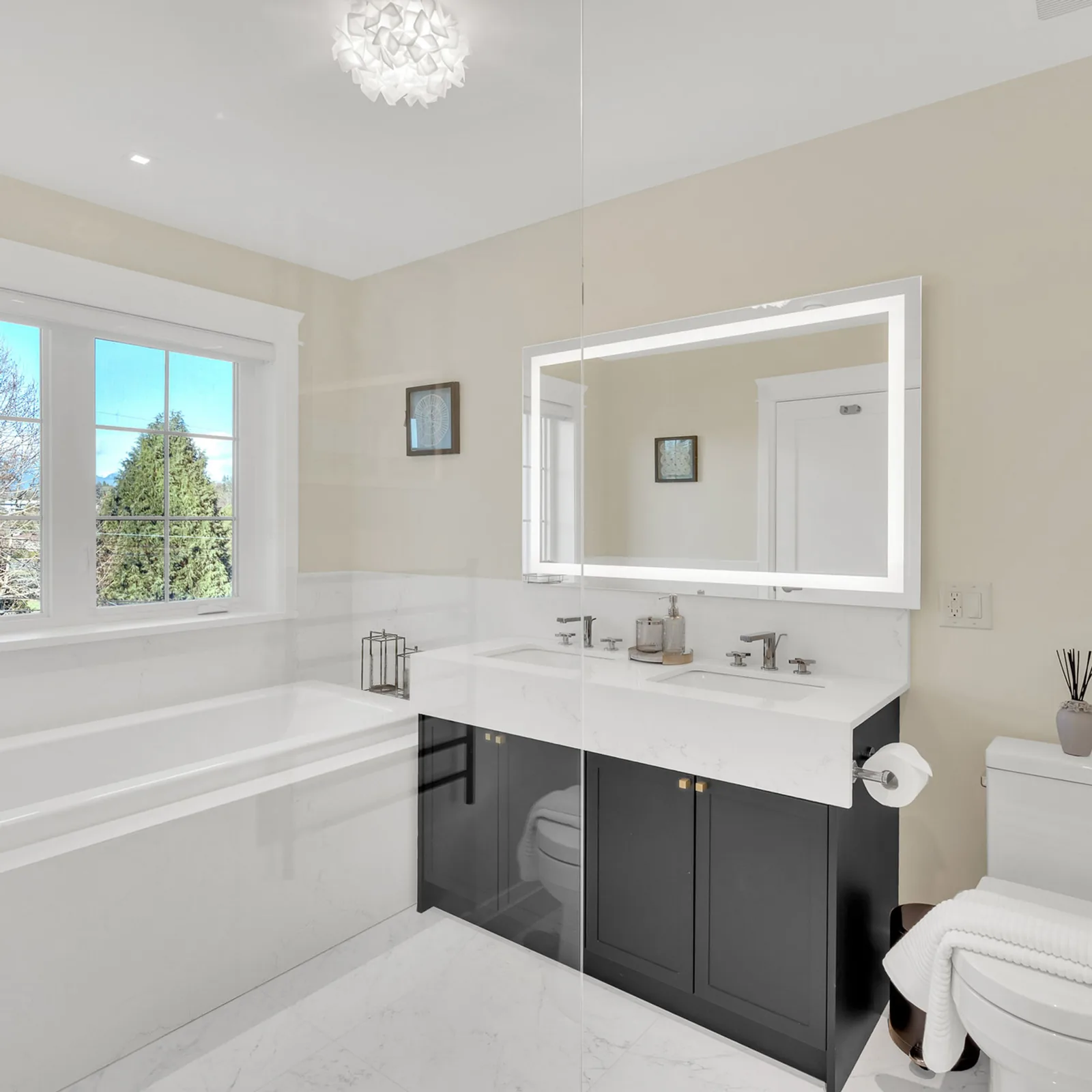
Bathroom Renovation Permits in Metro Vancouver: Plumbing, Electrical, Shower Controls, Fans and Strata Approval
Which bathroom renovation work needs a building, plumbing or electrical permit in Metro Vancouver, plus the shower, fan and strata rules to plan around.
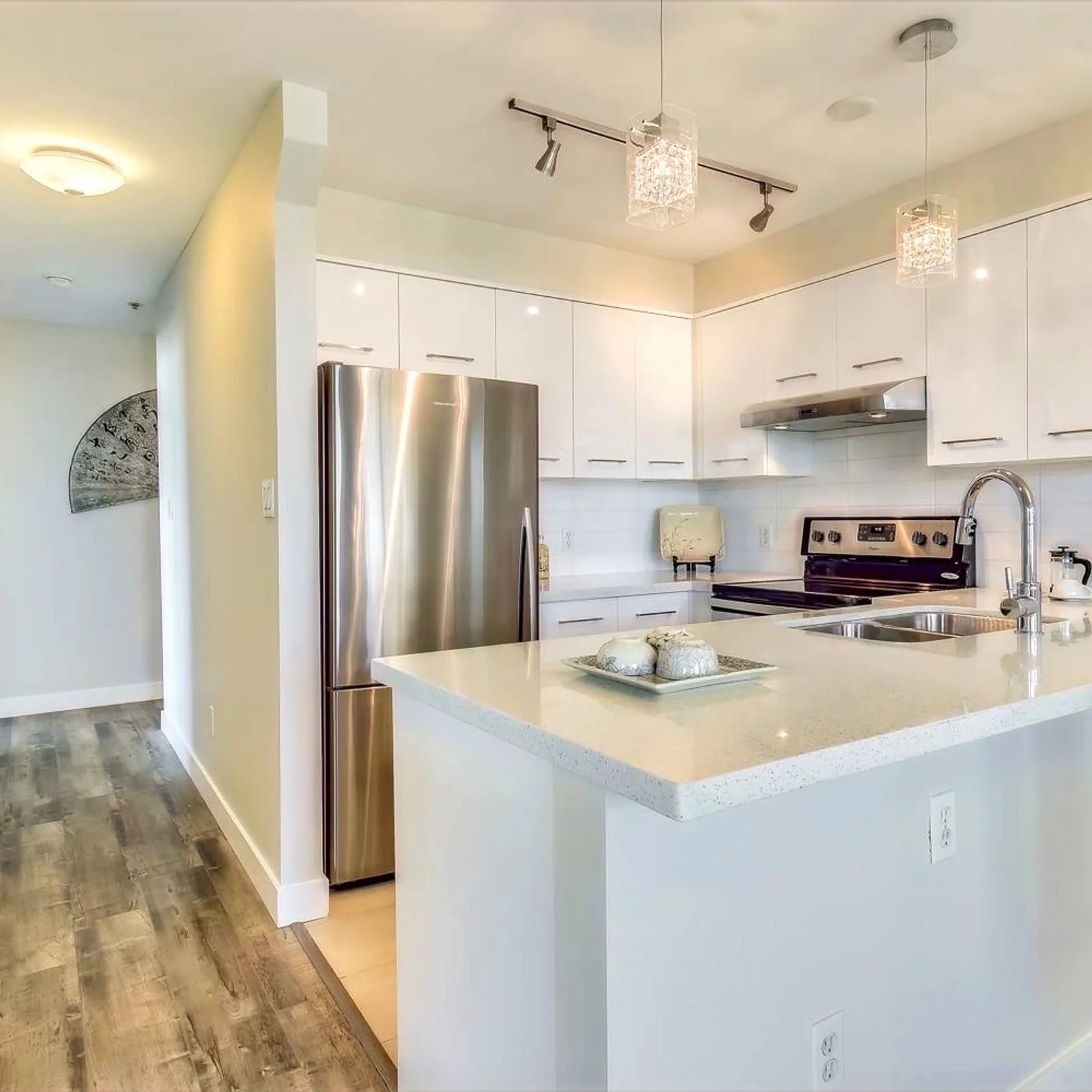
Finishes That Last in a Vancouver Family Home: Choosing Floors, Counters, Cabinets, Paint, Tile and Hardware for Children and Grandparents
How to choose floors, counters, cabinets, paint, tile and hardware for a Vancouver home with small children and grandparents, using BC Housing and CMHC.

Drywall, Wood and Cardboard: Metro Vancouver's Disposal Bans and Your Renovation or Rebuild
Metro Vancouver bans drywall, clean wood, cardboard and over 50 other materials from the garbage. How to plan waste for a Vancouver renovation or new home.
Start the conversation